

TMJ/TMD Treatmentin Omaha & Lincoln, NE
Jaw pain, headaches, and clicking in the jaw can make everyday activities uncomfortable. TMJ/TMD treatment can help relieve tension, reduce pain, and restore normal jaw function.
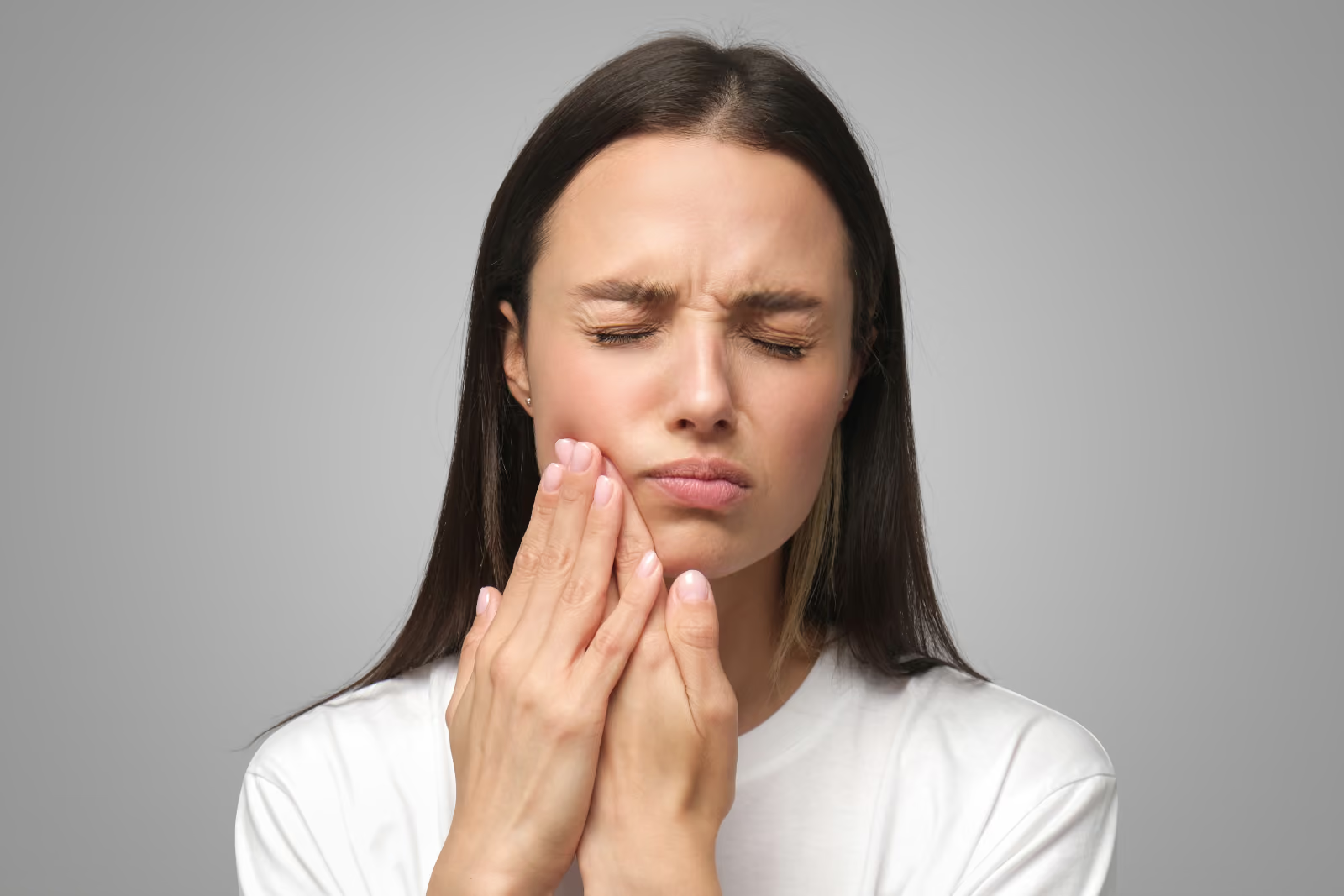

What is TMJ/TMD treatment?
TMJ stands for temporomandibular joint, the joint that connects your jaw to your skull. When this joint becomes irritated or strained, it can lead to a condition known as temporomandibular joint disorder, or TMD. Symptoms may include jaw pain, headaches, clicking or popping sounds in the jaw, facial soreness, or difficulty opening and closing the mouth.
At Superior Dental Health, our team provides treatments designed to reduce stress on the jaw joint and improve comfort. We begin with a thorough evaluation to identify the underlying cause of the symptoms.
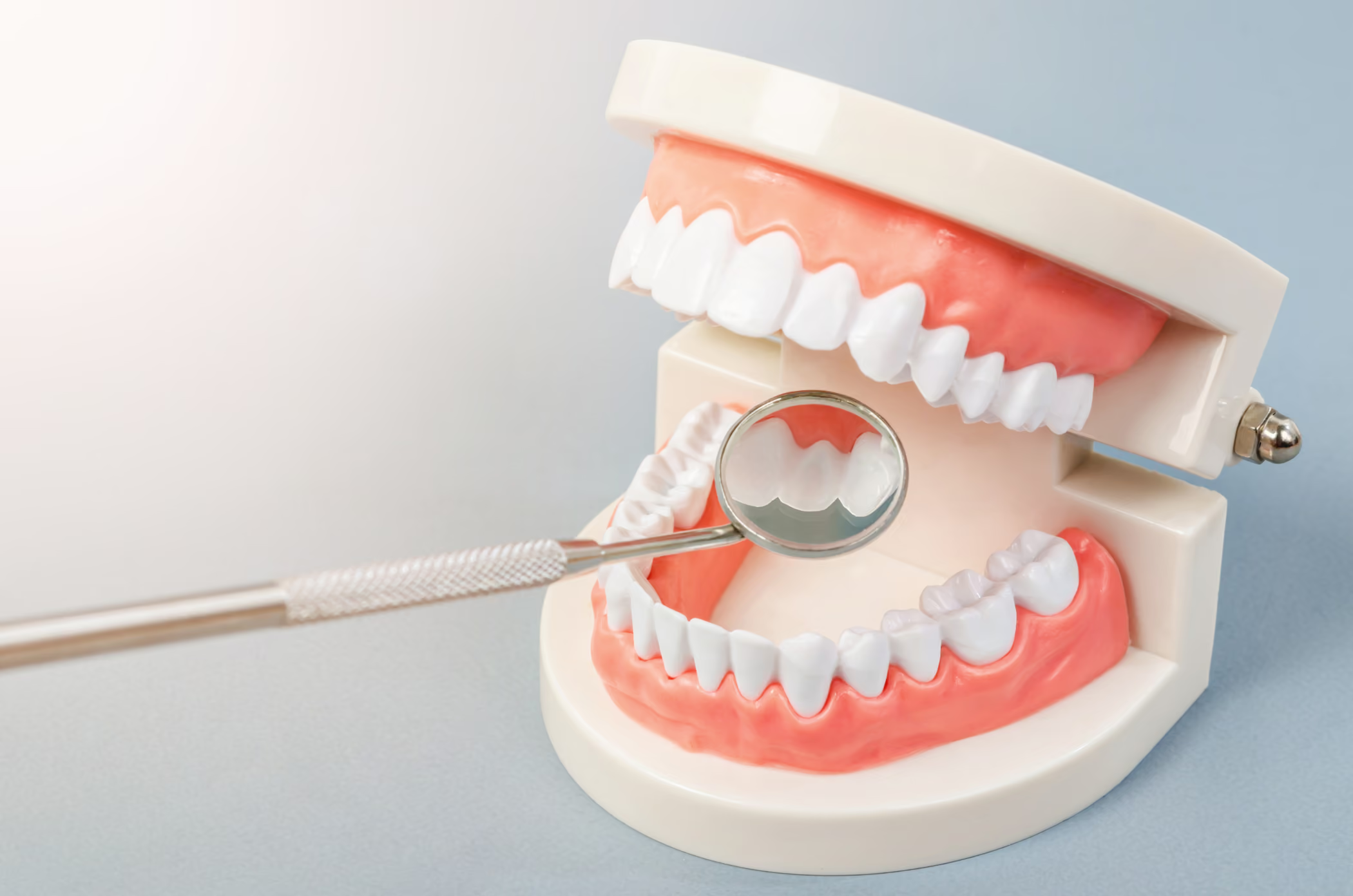
The benefits of TMJ/TMD treatment
TMJ treatment focuses on relieving discomfort and improving jaw function so patients can return to everyday activities more comfortably.

Relief from jaw pain
TMJ treatment can reduce pressure and inflammation in the jaw joint, helping relieve pain in the jaw, face, and surrounding muscles.
Reduced headaches and tension
Many TMJ symptoms include headaches and muscle tension. Treatment can help relax these muscles and reduce recurring discomfort.
Improved jaw function
Addressing TMJ issues can help restore normal movement of the jaw, making it easier to speak, chew, and open the mouth comfortably.
Our TMJ/TMD treatments


Night guards
Custom night guards are often recommended for patients who grind or clench their teeth during sleep. These oral appliances create a protective barrier between the teeth while helping reduce pressure on the jaw joint. By minimizing grinding and clenching, night guards can help relieve jaw tension and protect teeth from excessive wear. Each guard is custom-made to fit comfortably and support proper jaw alignment.
Botox for TMJ
Botox can be used as part of TMJ treatment to relax overactive jaw muscles that contribute to pain and tension. When injected into specific muscles, Botox helps reduce the intensity of muscle contractions that cause clenching or grinding. This treatment can provide relief from jaw pain, headaches, and facial tension associated with TMJ disorders. Botox may also help improve comfort for patients who experience chronic jaw tightness.
Frequently asked questions
Below are answers to common questions about sedation dentistry.
Common symptoms include jaw pain, headaches, facial soreness, clicking or popping sounds in the jaw, difficulty opening the mouth fully, and muscle tension around the jaw and neck.
TMJ issues can be caused by several factors, including teeth grinding, jaw clenching, stress, bite misalignment, or injury to the jaw joint. A dental evaluation can help determine the cause of symptoms.
Some mild TMJ symptoms may improve with rest and lifestyle changes, but persistent pain or discomfort should be evaluated by a dentist. Treatment can help prevent symptoms from becoming more severe.
Still Have Questions?
Contact us for more information or to schedule an appointment.
1,430+ Reviews
Don't just take our word for it
Real patients. Real experiences. See what people are saying about their care with us.

Great, fun, and efficient office! People with cool names and great attitudes work there. They took me in for an emergency on a Friday and treated me like family. I highly recommend this office!
It had been very long since I’d been to the dentist so I went into this appointment with a lot of fear and anxiety. Every person I interacted with was so kind and understanding. The woman at the front desk helped me with my insurance, and even called to confirm my visit would be covered when I didn’t have the right insurance card with me. I felt very taken care of during my visit and they put my nerves at ease.
My first experience was positive! They accomplished more than I thought we would in that appointment & I feel confident in the treatment plan. I learned a few things about my particular dental structure that I was not aware of - leads me to think I will have better health in the long run.
Very professional and attentive staff. Scheduling is simple; appointments are on time. The hygienist and dentist have been phenomenal! Highly recommended.
Honestly, I am not a gusher with my compliments so when I say, this was THE BEST dental experience I have ever had in my 64 years of life, you can take it as truth! Plus, the office was able to schedule me on the same day I called as a new client. Extra kudos!
The staff was incredibly friendly and upbeat. The office and exam areas looked clean and organized. Most importantly, they were able to get me in quickly and arranged follow up appointments within the coming weeks around my schedule so I didn't have to wait months or take days off.
It's easier than you think
We're here for all of it — routine care, unexpected pain, or the smile you've always wanted. Just reach out and we'll handle the rest.